The Timeless Beauty and Versatility of Candles
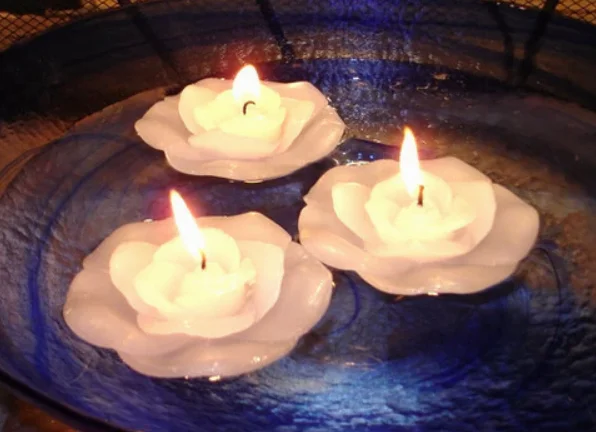
Candles have been around for many centuries and have been used for a variety of reasons, from providing light to serving as decoration to producing pleasant aromas. The beauty and appeal of candles are timeless, and they continue to be popular around the world, adding ambient lighting and a touch of romance or elegance to any setting.
The basic principle of a candle is fairly simple - it involves burning fuel, usually wax and a wick, to produce heat and light. However, the different types of candles that are available in today’s market serve different purposes and are made using different materials, giving rise to variations like floating candles.
Floating candles are quite different in appearance and behavior than regular candles. More specifically, their main characteristic is that they are designed to float on water. Apart from this obvious difference, floating candles use a more dense wax formulation to help them float while regular candles rely somewhat on their wick to keep them upright.
Floating candles work well as a home decor in themselves or along with flowers in pretty vases. They are also popular at weddings, where they are often used to decorate pools, canals or fountains. This creates lovely centerpieces that complement the bride and groom as they exchange their vows. They can also be used for lighting your porch, pool and outdoor spaces, adding an extra glow to the scenery.
What makes floating candles unique?
Apart from their ability to float on water, there are several other factors that make floating candles an especially beloved kind of candle:
1. Versatility of use:
Floating candles can be used for many different occasions from fun summer pool parties to somber candle-lit vigils. Their gentle glow adds an understated touch of refinement to any setting.
2. Quick burn time:
Floating candles have a short burn time, so they’re a good choice if you want the candles lit for only a few hours. Plan for replacements if you want to keep the ambiance going for an all night-long event.
3. Interactive decor:
Unlike the more static look of regular candles, floating candles create visual interest as they move slightly on the surface of the water in response to atmospheric conditions and waves. You can also leave them unlit as a stand-alone decor item, echoeing other water installations around it.
4. Fresh fragrance:
Floating candle designs come in various shapes, sizes and fragrances. Incorporating specific fragrances makes for a sensory treat for guests, adding an extra level of dimension to your decor when lit. Optical sparkles or soft shadows can be added to the mix of enjoyment, guaranteeing a memorable experience.
What are floating candles made of?
Now let’s move on to take a closer look at the different types of materials used to make floating candles:
1. Beeswax:
Beeswax is a natural and eco-friendly option. These candles are handmade and emit a subtly sweet, honey fragrance with “success scent note elements“. Candles an feature a translucent natural coloration or be tinted with minimal coloring.
2. Soy wax:
Soy wax candles are healthy and eco-friendly, produced from natural Soybeans. They release a clean and cool burn whilst perfuming your home with natural ingredients. For floating candles to last longer, increase the amount of soy in the wax blend.
3. Palm wax:
If you’re looking for a wax that is completely organic, try Palm wax as it is organic and made from palm oils. Palm waxes come in natural shades of earthy colours, which enchant accompanied with moonstone into crystal gazing glamour. Plus, these candles tend to produce less soot, making this series also eco and lung friendly.
4. Paraffin wax:
It is the most widely used wax for floating candles. Paraffin wax is refined from petroleum and is mostly white or transparent, tinging sensibly with colored ingredients. It is economically practical, requiring a lower melting point than the previous mentioned plant based-fats, promoting initial spread over water surfaces.
5. Gel wax:
Gel wax is a jelly-like substance obtained by adding resins to mineral oil. These candles offer multiple levels of scent representation with decorative inserts added between glass layers If, after time it's displaying mild-striation and excessive bubble retention, a blast through the appearance with moderate heat pre or post-date of display willnneutralize chances of formation an any in i'mproportilte manner that detracts from the appearance appeal, waving a dual advantages of intent and longevity.
While choosing the materials for floating candles, sometimes manufacturers mix and match different types of wax with different edible suitable dyes and percent of accentuated scent combinations such as variants for holidays or mood-dependency routines, ranging from innovative energetic issues,paces, to homely containment, conforting without standing inside conflicts.


评论
发表评论