Light Up Your Event with Floating Candles
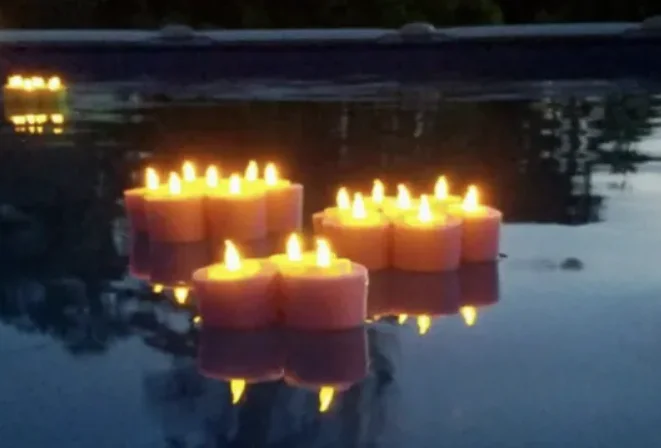
Floating candles are a popular decorative item that not only adds ambianceto a room but also makes it look unique and beautiful. These candles are specialtypes of candles that are designed to float on water. They are perfect forcreating a relaxing and romantic atmosphere for special occasions such asweddings, birthdays, or other events.
Floating candles are made using different materials that are carefullyselected to ensure that they can easily float on water and withstand the heatfrom the flame. In this article, we will discuss in detail the materials usedto make floating candles.
Wax
The most common material used to make floating candles is wax. Mostfloating candles are made using paraffin wax or beeswax, both of which arelightweight and water-resistant.
Paraffin Wax
Paraffin wax is a petroleum-based wax that is commonly used in candlemaking. It is a popular choice for floating candles because it is inexpensiveand readily available. Paraffin wax is also easy to work with and has a lowmelting point, which makes it easy to melt and pour into molds.
One of the primary benefits of using paraffin wax in floating candles isthat it has a low density, which means it is lighter than water. This makes iteasy for the candle to float on the surface of the water without sinking ortipping over. Additionally, paraffin wax is less likely to melt or deform whenexposed to water, making it an ideal choice for floating candles.
Beeswax
Beeswax is another popular material used to make floating candles. Beeswaxis a natural wax produced by bees and has a unique, sweet aroma that makes it apopular choice for candles. Beeswax is also eco-friendly and non-toxic, makingit an ideal choice for people who prefer natural materials.
Like paraffin wax, beeswax is lightweight and has a low melting point,which makes it easy to work with. It is also water-resistant and able towithstand exposure to water without melting or deforming.
Colorants
Floating candles are available in a wide range of colors, and the color ofthe candle is an essential factor for creating the desired ambiance. Floatingcandles can be made in a variety of colors to match any theme or décor. Themost commonly used colorants in floating candles are dyes and pigments.
Dyes
Dyes are the most commonly used colorants in floating candles. Dyes areavailable in liquid form and are added to the melted wax to create the desiredcolor. Dyes are easy to work with and provide a vibrant color that islong-lasting.
One of the benefits of using dyes in floating candles is that they areavailable in a wide range of colors, making it easy to match the candle to anytheme or décor. Additionally, dyes are typically inexpensive, which makes thema cost-effective option for candle makers.
Pigments
Pigments are another type of colorant used in floating candles. Unlikedyes, pigments are available in powder form, and they need to be mixed with themelted wax to create the desired color.
One of the benefits of using pigments in floating candles is that theyprovide a more opaque color than dyes, which can create a more subtle and elegantlook. However, pigments can be more expensive than dyes and may require moreskill to use effectively.
Fragrances
Fragrances are often added to floating candles to create a pleasant aromaand enhance the ambiance of the room. Fragrances are available in a wide rangeof scents, from floral and fruity to spicy and woody.
Fragrances are typically added to the melted wax before pouring it intothe mold. The fragrance is then dispersed throughout the candle as it cools andsolidifies.
One of the benefits of using fragrances in floating candles is that theycan help create a relaxing and romantic atmosphere. Additionally, fragrancescan help mask unpleasant odors in a room and create a more pleasantenvironment.
However, it is important to note that fragrances can be irritating to somepeople, and those with allergies or sensitivities may need to avoid scentedcandles.
Wicks
Wicks are an essential component of any candle, and floating candles areno exception. Wicks are typically made from cotton or hemp fibers and arecoated with wax to make them more rigid and easier to work with.
One of the challenges of making floating candles is creating a wick thatis long enough to reach the bottom of the container while also being secureenough to hold the candle in place. To solve this problem, some floatingcandles are made with wicks that have a metal base that is attached to thebottom of the candle.
Containers
Most floating candles are designed to be used in a container, such as abowl or a vase, that is filled with water. The container not only holds thecandle in place but also adds to the visual appeal of the candle.


评论
发表评论